 SkilletLore
Explainers
Eggs sticking to cast iron? Check these four variables first
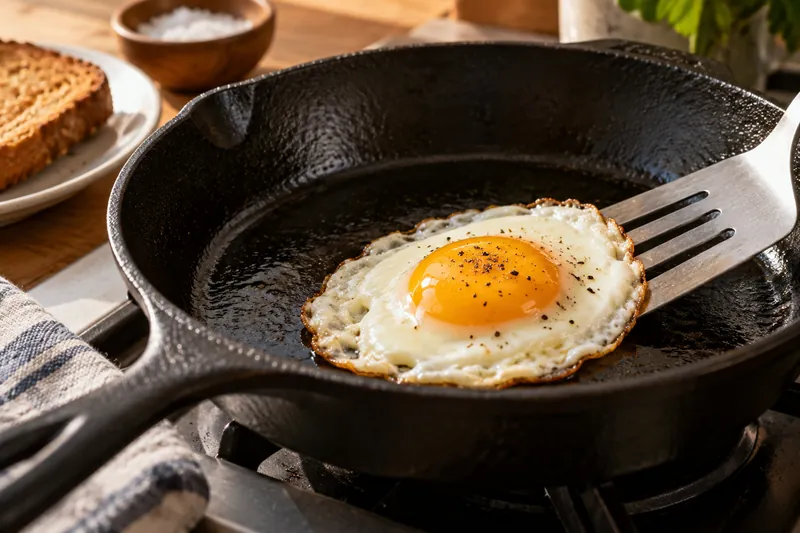
A stuck egg does not automatically mean that your skillet needs restoration.
Before you start
A stuck egg does not automatically mean that your skillet needs restoration. Heat, fat, food handling and surface condition all deserve a look.
Separate the possible causes
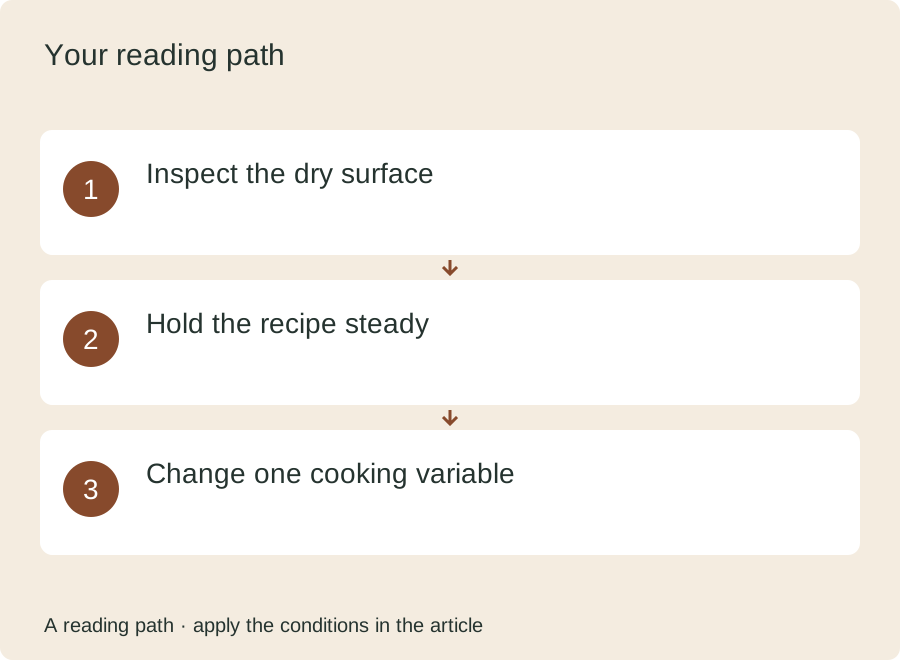
An uneven coating can contribute to sticking, but so can an unsuitable temperature or moving food before its surface has set. Start by inspecting a clean, dry pan. If the surface is sound, treat the next cook as a technique comparison rather than beginning a full stripping project.
Keep one baseline recipe
Use the same burner, pan and familiar egg preparation. Note the amount of fat and the heat setting. Avoid comparing a cold egg cooked in a nearly dry pan with a different style of egg cooked in generous fat. Too many changes make the result hard to interpret.
Change one variable deliberately
If the first attempt scorches at the contact point, reduce the intensity of heating rather than automatically preheating longer. If food adheres before there is much browning, review the fat and timing of movement. The aim is a coherent observation, not a rule that all sticking calls for more heat.
Turn a disappointing breakfast into a useful note
If one side of an egg sticks while another releases, record where that happened and whether the food was moved before it was ready. On the next comparable cook, use a familiar portion and keep the preparation sequence consistent. Do not simultaneously switch oil, burner, pan and technique. The point is not to achieve an oil-free performance demonstration; it is to find a dependable way to make the breakfast you want. If the surface is dirty or damaged, address that condition separately rather than treating every sticking event as a request for another seasoning layer.
Decide whether the pan needs work
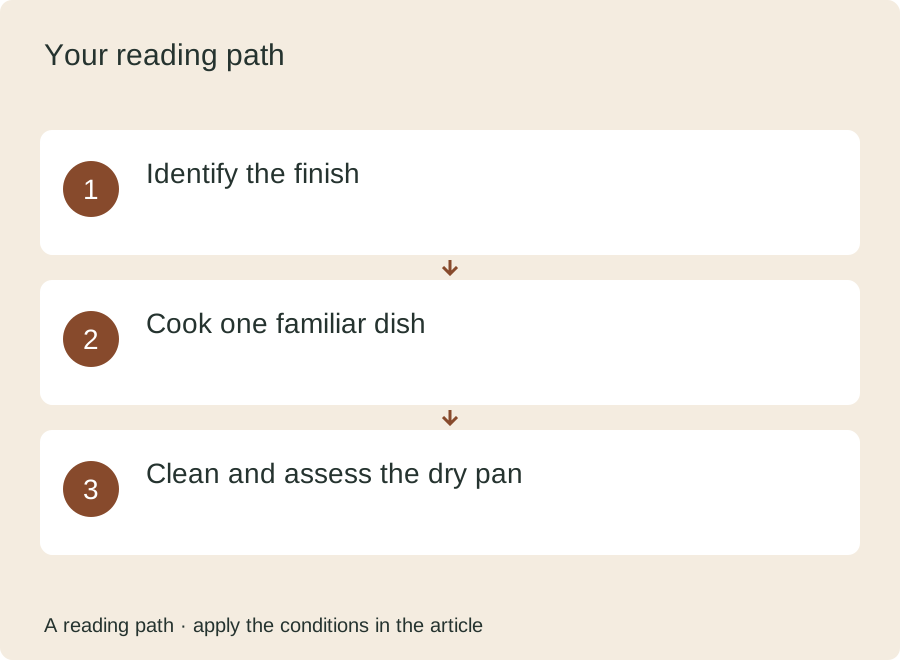
Loose flaking, sticky residue and rust call for surface-specific care. An otherwise clean pan that behaves differently with different technique may not need reseasoning. Keep your notes short enough that you can use them while cooking: heat, fat, timing and result.
Practical check: what to observe
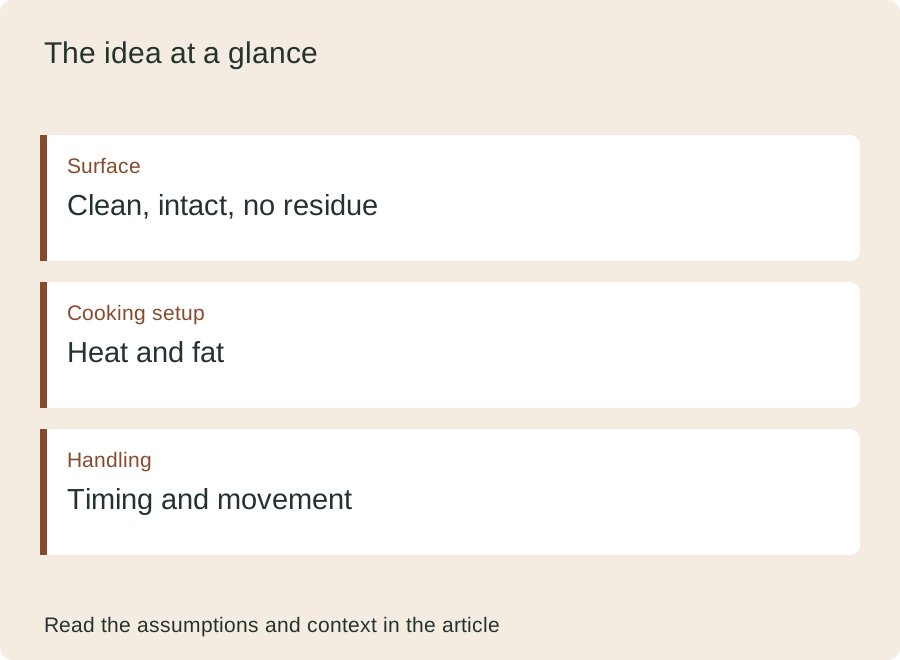
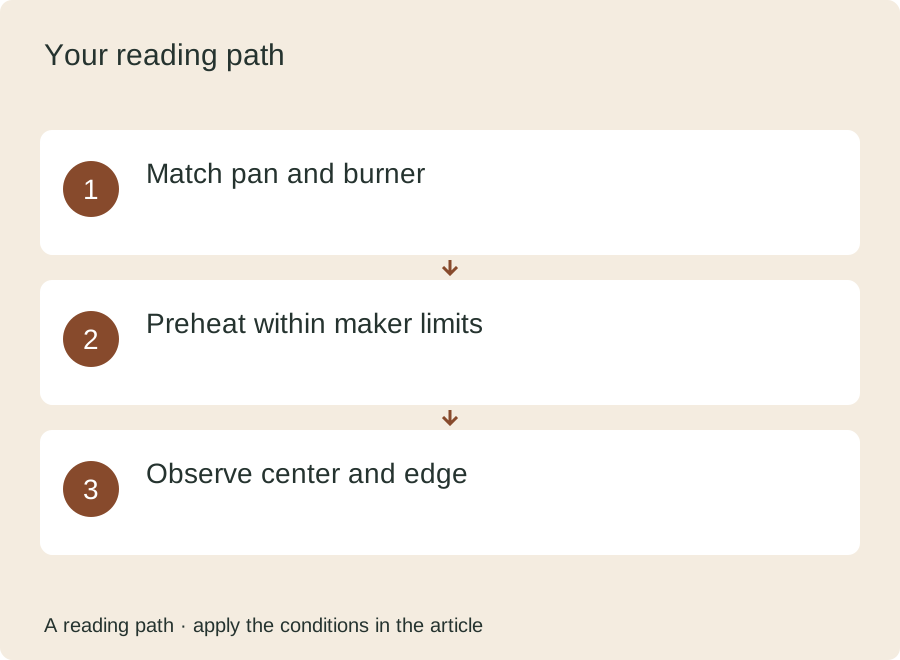
Start with the situation described in this article, then follow the applicable product instructions. Keep a short note of what you observe so a later decision has context.
- Inspect the dry surface
- Hold the recipe steady
- Change one cooking variable
Do perfect slide videos prove a pan is well seasoned?
They show one preparation under particular conditions. Fat quantity, heat and editing can affect the demonstration; they are not a durability test.
For more context, see the topic FAQ and glossary. A reference value or example should be read with its units, assumptions and product-specific conditions.
Sources and scope
The reading below provides context for the relevant care or brewing principles. The article’s scenarios and decision questions are original editorial explanations, not independent product tests. Read the editorial policy for sourcing, AI assistance and corrections.
Put the explanation to work
Continue reading
Spot a questionable claim or a calculation issue? Read our correction process and contact information. Examples and illustrations are educational; they do not establish product suitability or a laboratory result.