 SkilletLore
Explainers
Rust, patina or leftover food: what are you actually seeing?
Surface color is a starting clue, not a complete diagnosis.
Before you start
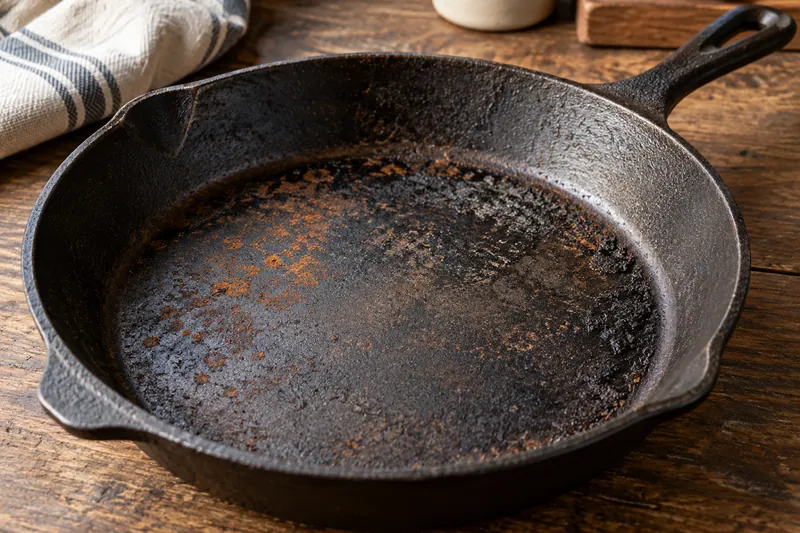
Surface color is a starting clue, not a complete diagnosis. Look at texture, location and recent use before choosing a treatment.
Observe the surface dry
Water and oil can hide texture or change the apparent color. Inspect after ordinary appropriate cleaning and drying. Note whether the material feels sticky, powdery, raised or part of the underlying surface. Do not use an aggressive chemical as an identification test.
Use the timeline
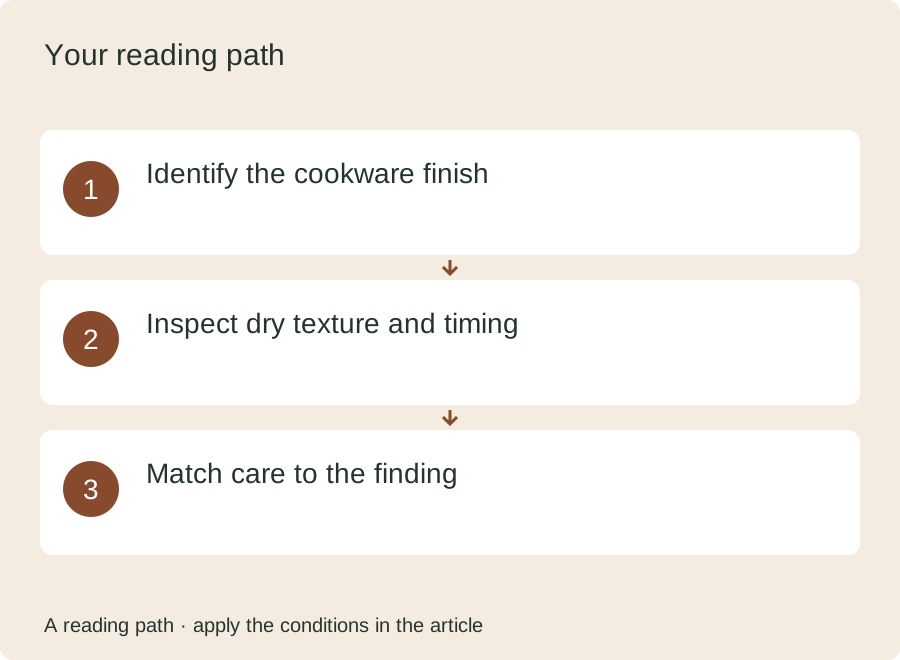
A patch that appeared after damp storage has a different context from residue immediately after a sugary sauce. A known cleaning step may explain a changed finish. Write down what happened before the appearance changed; the sequence can be more informative than a photograph by itself.
Avoid a single-color rule
Darkness can come from seasoning, food residue or the material beneath a coating. Orange discoloration can suggest corrosion on bare iron but still needs context. Enamel and stainless have their own care and staining patterns. Identify the pan before matching it to a bare-iron restoration method.
Write down what changed before naming it
Instead of starting with this is rust, describe the observation: a new orange patch after damp storage, a sticky brown film after oiling or loose dark particles during cleaning. These descriptions preserve the evidence without pretending that appearance alone gives a complete diagnosis. Note the material and whether ordinary compatible cleaning changes the mark. Photographs under consistent light can help you compare its extent, but they cannot establish chemical composition. If the change involves a coating you cannot identify, return to the maker’s guidance before applying a treatment intended for bare metal.
Choose the least speculative next step
Use the cookware maker’s cleaning or troubleshooting guidance. If the surface is flaking, visibly damaged or unknown, pause before cooking. The objective is to identify a suitable response, not to demonstrate that every blemish can be removed with the same household mixture.
Practical check: what to observe
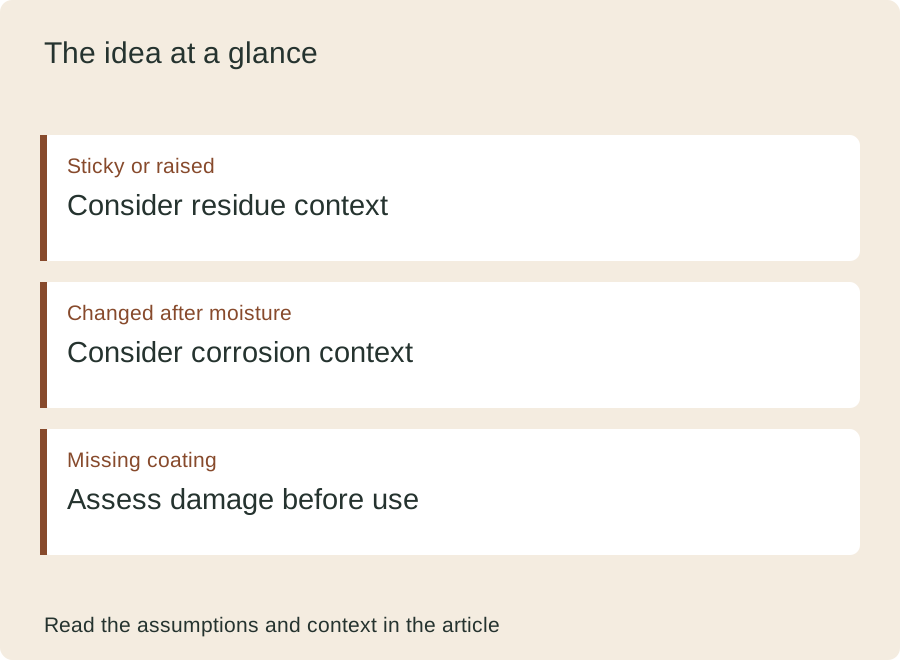
Start with the situation described in this article, then follow the applicable product instructions. Keep a short note of what you observe so a later decision has context.
- Identify the cookware finish
- Inspect dry texture and timing
- Match care to the finding
Can I identify damage from a photo alone?
A photograph can help document it, but lighting hides texture and depth. Material, history and close inspection remain important.
For more context, see the topic FAQ and glossary. A reference value or example should be read with its units, assumptions and product-specific conditions.
Sources and scope
The reading below provides context for the relevant care or brewing principles. The article’s scenarios and decision questions are original editorial explanations, not independent product tests. Read the editorial policy for sourcing, AI assistance and corrections.
Put the explanation to work
Continue reading
Spot a questionable claim or a calculation issue? Read our correction process and contact information. Examples and illustrations are educational; they do not establish product suitability or a laboratory result.