 SkilletLore
Explainers
Why a bigger pan can cook worse on a small burner
A larger cooking surface is useful only if the heat reaches it appropriately.
Before you start
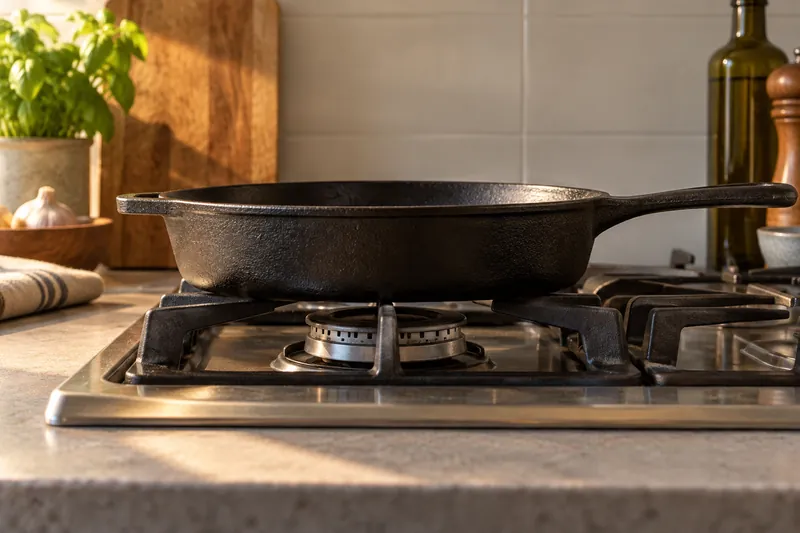
A larger cooking surface is useful only if the heat reaches it appropriately. Pan-to-burner fit deserves attention before you blame the recipe.
Think in areas, not labels
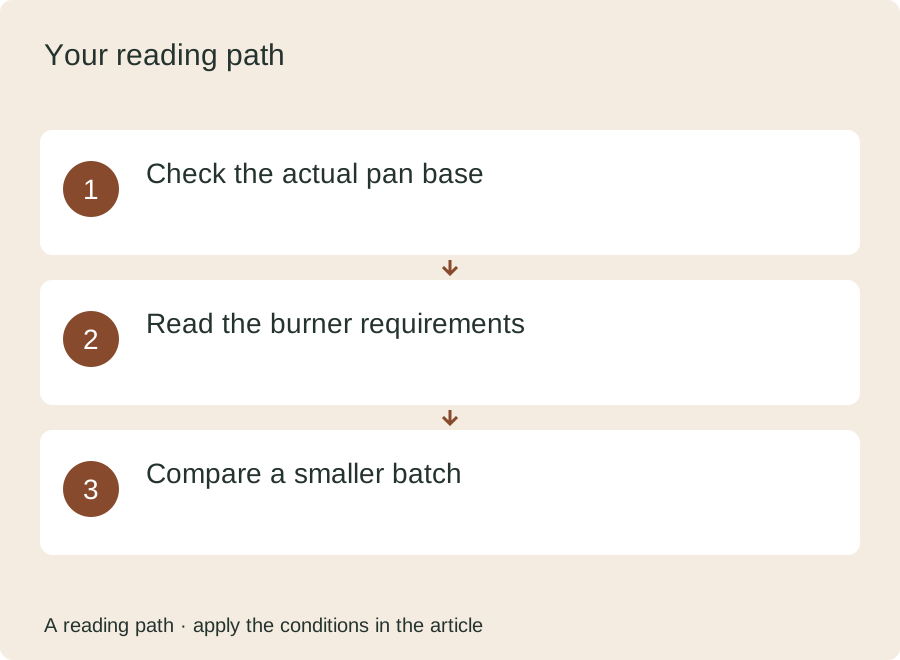
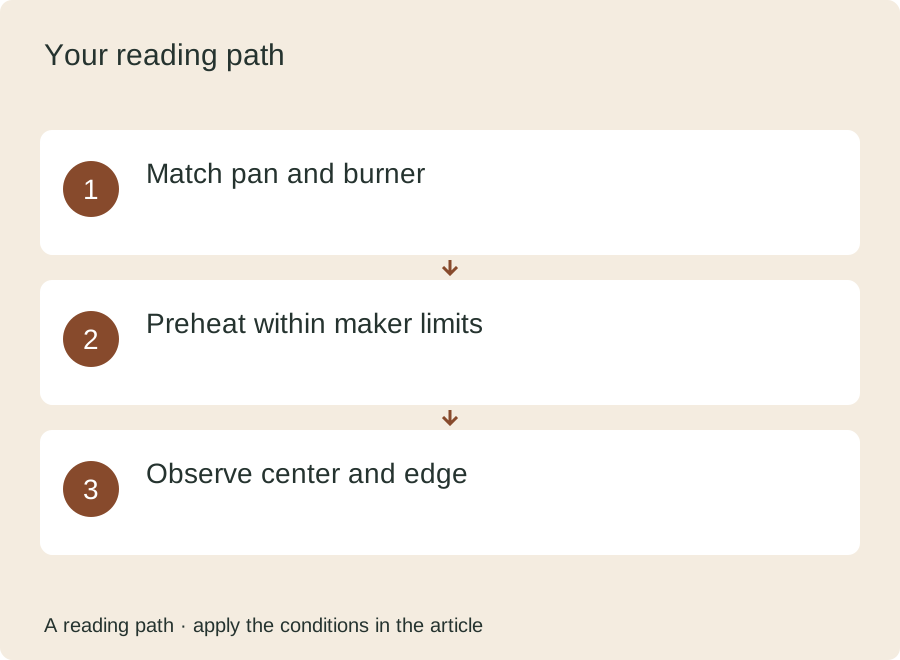
The active heating region is not always the same as the decorative ring on a cooktop. The pan’s base may also differ from its stated rim diameter. Compare the actual base with the appliance instructions, particularly on induction where compatibility and minimum detection size matter.
What uneven cooking can tell you
If food in the center browns quickly while the outer pieces lag, spatial heating may be part of the explanation. Pan construction and preheating affect the pattern too. One uneven batch does not diagnose a defective pan; repeat the observation with a smaller load and a suitable heat setting.
A no-purchase experiment
Cook the same dish in two smaller batches using the center of the pan, then compare with your usual full load. Keep ingredient size and preparation consistent. If the smaller batch is easier to control, crowding or heat distribution may be more relevant than changing the cookware material.
Check the useful cooking zone
A wide skillet may fit physically on a hob while extending well beyond the area effectively heated by that burner. Before filling every centimeter with food, consider whether the outer area behaves comparably in your normal recipe. A smaller batch or a better-suited pan can be a more practical answer than pushing the burner harder. This does not mean the outer ring is useless; it means that capacity on a shelf and evenly useful cooking area in a particular setup are different quantities. Base the choice on the meal and the heating arrangement together.
When to consult the appliance manual
Use the stated pan-size range, weight limits and handling guidance. Do not improvise a bridging arrangement over multiple burners unless the appliance and cookware are designed for it. A long griddle and a round frying pan place different demands on the hob.
Practical check: what to observe
Start with the situation described in this article, then follow the applicable product instructions. Keep a short note of what you observe so a later decision has context.
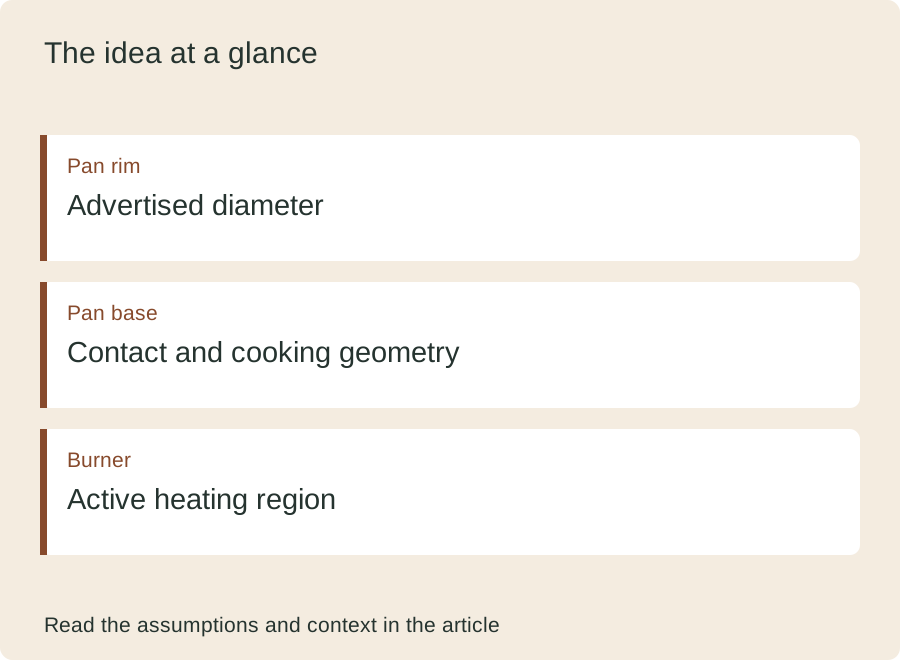
- Check the actual pan base
- Read the burner requirements
- Compare a smaller batch
Does induction heat the entire pan instantly?
No. Induction changes how heat is generated, but pan geometry and heat spreading still matter. Follow the compatible size and construction guidance.
For more context, see the topic FAQ and glossary. A reference value or example should be read with its units, assumptions and product-specific conditions.
Sources and scope
The reading below provides context for the relevant care or brewing principles. The article’s scenarios and decision questions are original editorial explanations, not independent product tests. Read the editorial policy for sourcing, AI assistance and corrections.
Put the explanation to work
Continue reading
Spot a questionable claim or a calculation issue? Read our correction process and contact information. Examples and illustrations are educational; they do not establish product suitability or a laboratory result.