 SkilletLore
Perspectives
The small-kitchen cookware edit: fewer overlaps, better choices
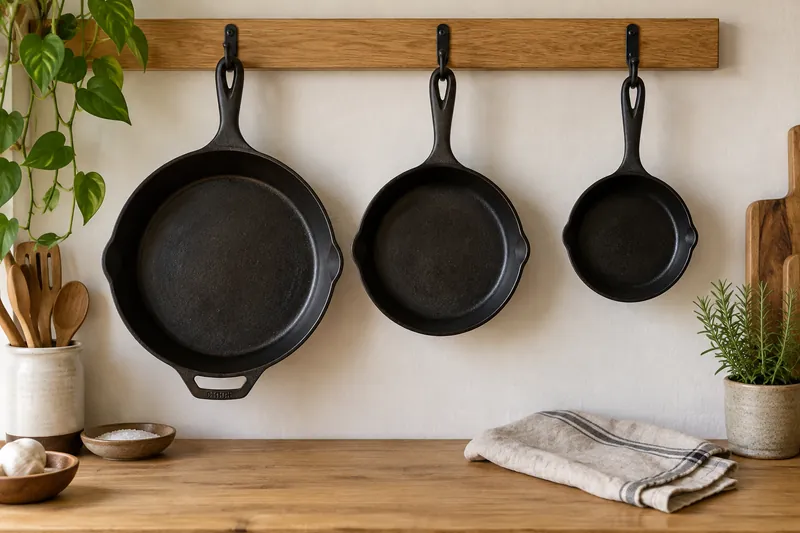
A compact kitchen rewards a clear job for each tool.
Perspective. An editorial reflection on preferences and everyday life. It does not report a survey or classify people by their tastes.
Before you start
A compact kitchen rewards a clear job for each tool. A smaller collection can be freeing when it reflects the meals you actually make.
Start with a week of real cooking
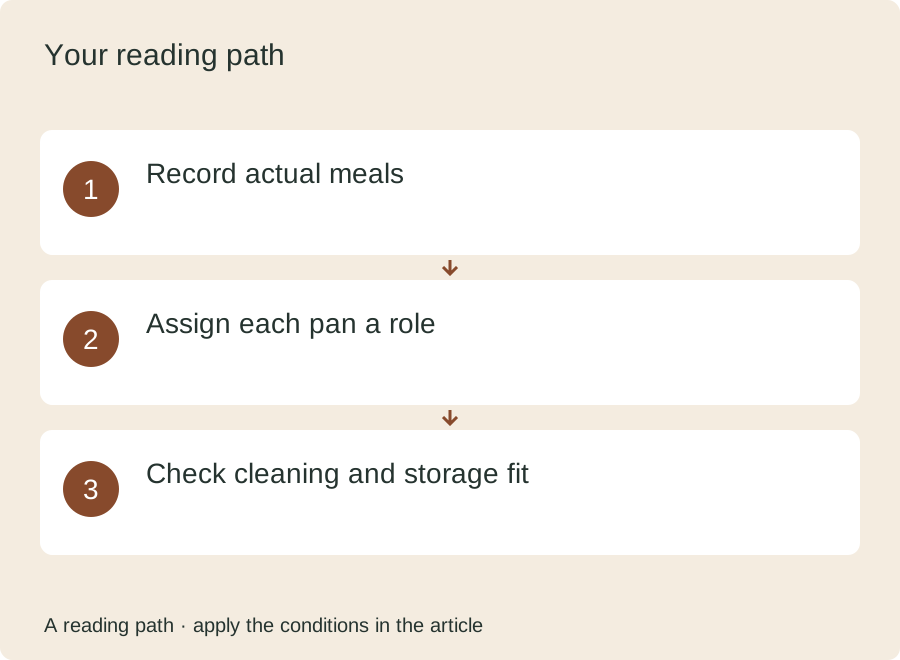
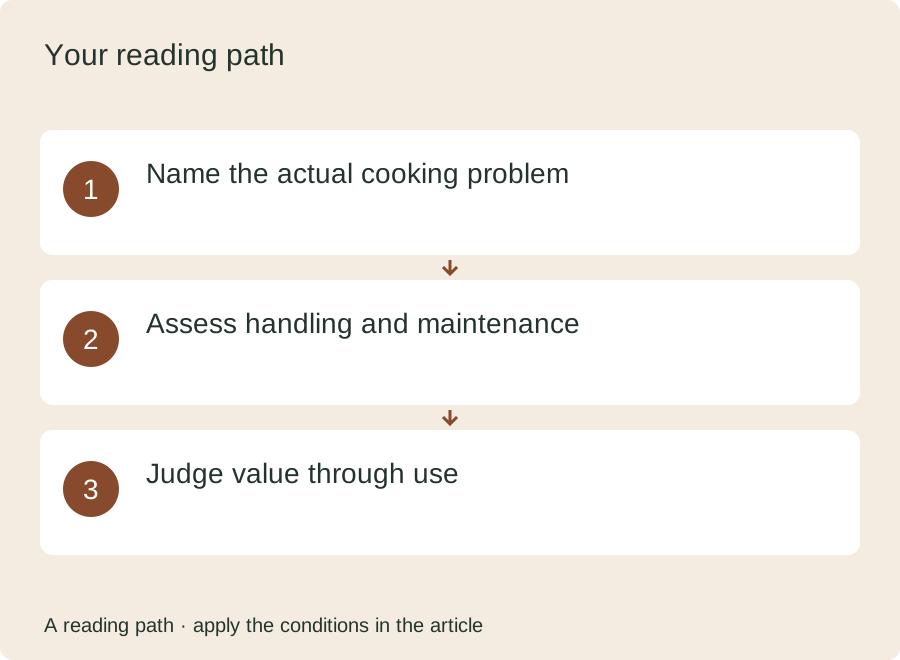
Write down the meals you prepared, not the ones you imagine making someday. Note the vessel used and any difficulty. This reveals whether the missing capability is a larger surface, a lid, easier lifting or simply more space to work. It may reveal no missing capability at all.
Find duplication before a gap
Two pans can look different yet perform the same job in your routine. Another piece may cover a genuinely different task. Organize by use rather than by material or matching appearance. You do not need to discard a useful duplicate, but it should earn the storage it occupies.
Include the work after cooking
A pan that fits a recipe but not the sink, shelf or your grip has a hidden cost. Test lifting and storage in a realistic way before deciding that a larger size is an upgrade. Think about the item filled with food, not only empty in a shop.
The shelf experiment
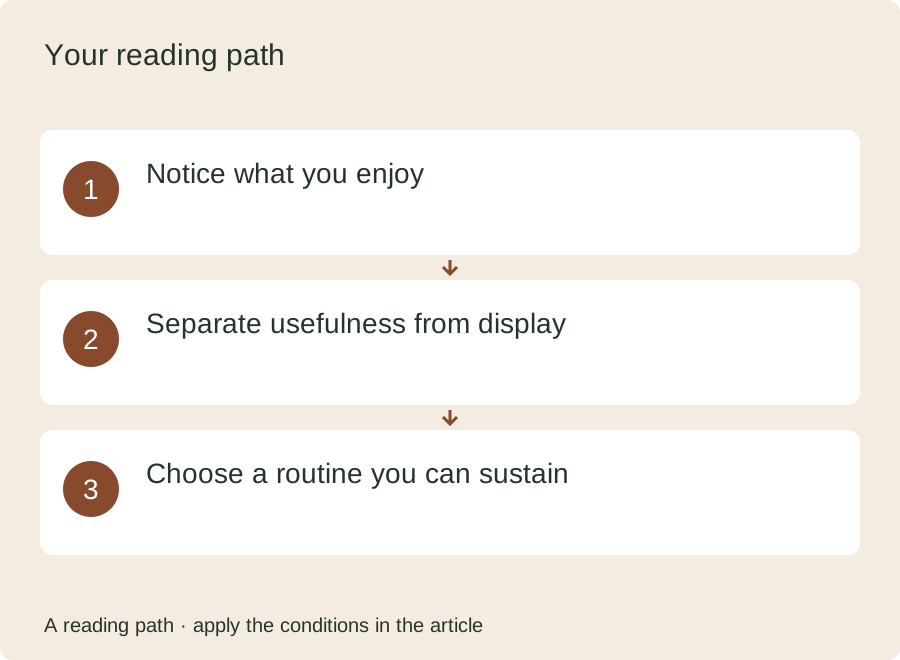
List three meals you make often and identify the cookware each requires. Then place the pieces needed for those meals within comfortable reach. For a short period, notice whether another piece is repeatedly missed or whether the convenient group covers most cooking. Do not discard the rest during the experiment. You are gathering information about your own routine before making a storage or buying decision. This approach is especially useful when the urge to simplify comes from a tidy photograph: a real meal list gives the edit a practical basis that a visual ideal cannot supply.
Make the edit reversible
Move rarely used cookware to a safe temporary storage spot before giving it away or buying a replacement. Observe whether you miss it over ordinary meals. This turns an aesthetic urge into a practical experiment and helps avoid repeatedly buying back the same capability.
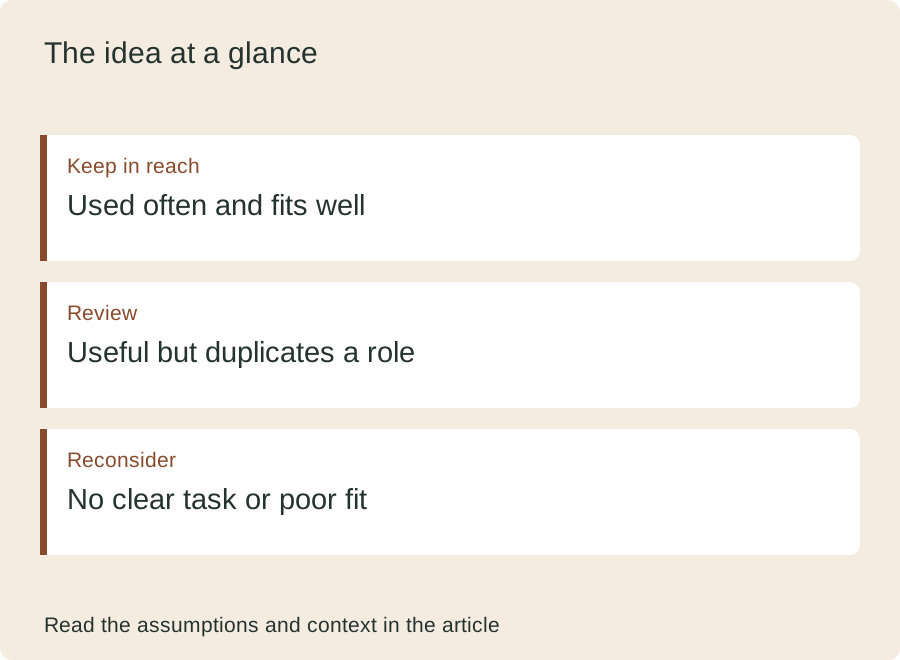
Practical check: what to observe
Use the questions below to consider your own preferences. This article is an editorial perspective, not a survey or a way to classify other people.
- Record actual meals
- Assign each pan a role
- Check cleaning and storage fit
How many pans should everyone own?
There is no useful universal number. The right collection depends on cooking habits, household needs, physical comfort and available space.
For more context, see the topic FAQ and glossary. A reference value or example should be read with its units, assumptions and product-specific conditions.
Sources and scope
This is original editorial commentary. Examples of preferences are illustrative, not findings from a survey or psychological study. Read the editorial policy for sourcing, AI assistance and corrections.
Put the explanation to work
Continue reading
Spot a questionable claim or a calculation issue? Read our correction process and contact information. Examples and illustrations are educational; they do not establish product suitability or a laboratory result.